Assignment Type: Reflective Report
STUDENT NAME: Dinesh Kumar
STUDENT ID: 2522812
Table of Contents
2.1 Patch 1: Foundations of People Analytics. 4
2.2 Patch 2: Organisational Behaviour and Culture. 5
2.3 Patch 3: Group Presentation Reflection. 6
2.4 Patch 4: HR Strategy and Analytics. 6
2.5 Patch 5: People Analytics Tools and Software Reflection. 8
3.1 Applying Gibbs’ Reflective Cycle. 9
3.2 Case Study 1: Google and Strategic Workforce Planning Through People Analytics. 10
3.3 Case Study 2: Microsoft and People Analytics in Remote Work Behaviour. 12
5. SMART PROFESSIONAL DEVELOPMENT PLAN.. 16
Appendix A — Group Presentation Evidence. 21
Appendix B — Smart Action Plan. 22
1. INTRODUCTION
People Analytics is a growing strategic power of modern human resource management, where organisations are able to make evidence-based decisions by systematically analysing workforce data (CIPD, 2024; Marler and Boudreau, 2017). Chartered Institute of Personne land Development (CIPD) states that People Analytics is the process of using people-related data to address the business issues and enhance decision-making within organisations (CIPD, 2024). Likewise, Marler and Boudreau (2017) describe People Analytics as an HR practice that utilizes descriptive, visual, and statistical analysis to facilitate business results. People Analytics is a growing application within HRM, including workforce planning, employee retention, performance management, and talent development, making HR a more strategic and data-driven business partner (Armstrong and Taylor, 2023; CIPD, 2024).
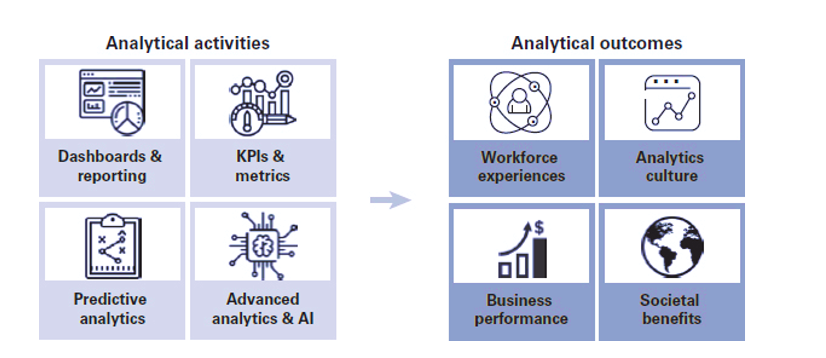
Figure 1: People Analytics Lifecycle and Data-Driven HR Decision-Making Framework
Source: Ferrar and Green (2021, p.5), cited in Week 1 Lecture Materials, University of Bedfordshire.
My early comprehension of human resource management, as an HRM student, was largely influenced by conventional views, which concentrated on recruitment, employee relations, training, and performance appraisal (Armstrong and Taylor, 2023). I considered HR decision-making as mainly resting on managerial judgement, interpersonal communication and organisational experience but not on analytical evidence. Prior to interacting with this module, I was not aware of the possibilities to use data to anticipate employee behaviour, find workforce issues, and make strategic decisions (Rasmussen and Ulrich, 2015). My understanding of HR was thus more practical than strategic. Nevertheless, my research on People Analytics helped me realise that digital tools, predictive analysis, and evidence-based HR practices are growing in importance in the contemporary organisations (Ferrar and Green, 2021).
This reflective report uses the Reflective Cycle as the main framework of reviewing my learning experience in this module critically (Gibbs, 1988). The model by Gibbs is specifically appropriate since it promotes systematic thinking in form of description, feelings, evaluation, analysis, conclusion, and plan of action. Such a framework helps to think more critically and reflect on what was learned, as well as how the learning affects professional practice in the future within the framework of HRM.
In the module of People Analytics and HR Strategy, my learning has been critically reflectively analyzed in this report. It incorporates weekly learning activities, weekly reflection on the group presentation based on the Google workforce planning practices, People analytics tools and case study insights, and relevant HR theory application. The report also assesses the contributions of those experiences towards my professional growth as a future HR practitioner.
2. REFLECTION ENTRY
2.1 Patch 1: Foundations of People Analytics
People Analytics was a concept that I originally thought of in relation to numerical HR reporting as opposed to strategic organisational decision-making. The initial concept of human resource management that I had was based on conventional HR services like recruitment, employee relations, payroll management, and performance surveillance. But the initial week of this module proved that wrong with the introduction of the difference between people and human resources. Although human resources have typically viewed employees as organisational assets that need to be managed to ensure efficiency and business success, the notion of people focuses more on human-centred understanding that employees are individuals with behaviours, emotions, relationships, and developmental potential (Armstrong and Taylor, 2023; CIPD, 2024). This difference made a great change in my mind, especially since I am a student of HRM, and I want to work in a strategic people management.
The module has also broadened my knowledge on analytics per se. Before, I considered data in HR as historical data, like employee turnover rates or absenteeism. Nevertheless, reading about descriptive, diagnostic, predictive, and prescriptive analytics helped to realize that People Analytics can do much more than report and can be used to inform evidence-based workforce planning, retention policies, and proactive decision-making (Marler and Boudreau, 2017). This change made me realize the value HR has in changing into a strategic business partner instead of an operational support role.
This learning also posed significant ethical concerns, as viewed critically. According to Human Capital Theory, employees are precious organisational resources whose skills and capabilities bring about a competitive edge (Becker, 1964). Although this is in line with strategic HR thinking it also runs the possibility of dehumanizing people to quantifiable economic assets. This tension can be generated by People Analytics when the employees are perceived as data points as opposed to human beings with various motives and needs. So, although analytics can enhance the decision-making process, HR practitioners should strike a balance between business efficiency and ethical duty and employee welfare. This cogitation has prompted me to see People Analytics not merely as a technical HR instrument, but as a strategical resource that needs analytical ability and human intuition.
2.2 Patch 2: Organisational Behaviour and Culture
My second week of the module greatly expanded my knowledge on how people management decisions are made based on organisational behaviour and culture. My pre-study concepts about employee behaviour were mostly limited to an individual matter associated with motivation, performance or personality. But the module has shown that behaviour is highly influenced by broader organisational culture, leadership practices, and national cultural contexts. Schein (2010) refers to organisational culture as the common assumptions, values and beliefs that determine behaviour in organisations and Hofstede et al. (2010) emphasise the impact of national cultural differences on workplace expectations, communication and decision making. This made me realise that without the cultural environment that employees work in, it is impossible to interpret HR decisions.
One of the most thought-provoking ones was the Microsoft remote work case study that was discussed in the lecture and looked into the patterns of collaboration among employees during the COVID-19 shift to remote work. The case revealed that despite analytics being able to determine quantifiable behavioural changes, such as a decrease in cross-team collaboration and a rise in siloed communication, the cause was rooted in cultural and contextual aspects as opposed to mere productivity indicators. This questioned my previous belief that quantitative workforce data could be used to explain the employee performance and behaviour in full.
Importantly, this learning solidified the need to integrate analytics with behavioural knowledge. According to the Organisational Behaviour theory, workplace behaviour is affected by interpersonal interactions among individuals, groups and organisational systems (Luthans, 2011). People Analytics may be used to discover trends and patterns but data does not always tell all the reasons why employees act in a particular manner. The relevance of cultural norms, trust, style of leadership, and perceptions of employees are equally vital. This is especially applicable in the context of international HRM where the application of homogenous decisions based on the same data in the context of culturally diverse settings can result in inaccurate conclusions. This week therefore enhanced my appreciation that HR practice needs a combination of analytical evidence and human interpretation, cultural sensitivity and behavioural acumen and not just a quantification of outputs.
2.3 Patch 3: Group Presentation Reflection
The group assignment (planning the workforce using the People Analytics with the example of Google ) was a major part of my learning in this module. This experience has offered a chance to practice theoretical knowledge in a cooperative academic context and to gain practical skills in working, communicating, and problem-solving. Our team discussed Google’s approach to predictive analytics, workforce modeling, dashboards, and HR data forecasting talent needs, skills gaps, and strategic workforce planning. The case work has allowed me to gain insights into how People Analytics works in practice within the context of an organisation, not just conceptual definitions, but also applied to the business.
Reflectively, the group experience has brought out the advantages as well as the issues of group learning. The first stage was the forming phase as defined by Tuckman (1965) wherein the team members were courteous yet not aware of expectations and duties. As the work advanced, there were certain coordination issues, especially in terms of communication, tasks distribution, and prioritizing deadlines and other academic responsibilities. Sometimes, it became frustrating due to the dissimilarity in working speed and the level of contribution, which depicts the storming stage in group development. Nonetheless, with more effective communication and mutual responsibility, the group slowly transitioned into the norming and performing stages, in which cooperation became more systematic and effective.
More importantly, this experience solidified the role of interpersonal effectiveness in HR practice. Although the focus of the People Analytics is frequently on the data-based decisions, the group assignment made me realise that the outcomes are also successful in organisations that communicate successfully, trust each other, coordinate and lead. The Google case itself showed how strategic planning of workforce depends on the proper data analysis, yet my personal learning experience taught me that human collaboration is also crucial. This is in line with organisational behaviour views that effective performance is not just a system and data issue, but also a group dynamic and social interaction (Luthans, 2011). On the whole, this experience helped me not only to deepen my knowledge of workforce analytics but also to value the importance of teamwork as one of the fundamental professional skills within the field of HRM.
2.4 Patch 4: HR Strategy and Analytics
Week four of the module has made a great impact on my perception of the strategic importance of HR in contemporary organisations. In the past, I considered HR to be more of an operational department that handled recruitment, employee relations, and compliance. Nonetheless, the courses in strategic HRM and People Analytics showed the importance of HR as a proactive strategic ally that directly influences business performance by making evidence-based decisions (Armstrong and Taylor, 2023) . The description of descriptive, diagnostic, predictive, and prescriptive analytics demonstrated the ways in which organisations can transition beyond merely reporting the past HR practices to anticipating future workforce risks and providing recommendations.
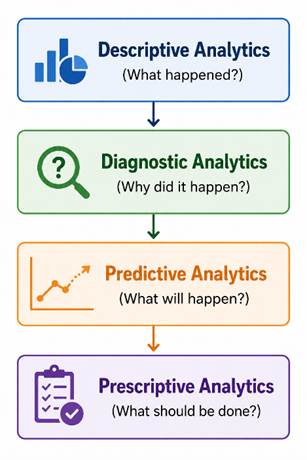
Figure 2: Types of People Analytics — Descriptive, Diagnostic, Predictive and Prescriptive Analytics
Source: Adapted from Marler and Boudreau (2017).
The examples of the cases presented in the lecture were especially helpful to show this transformation. As an example, Credit Suisse employed predictive analytics to predict employees who were likely to resign so the organisation could then take actions before the time when the employee would leave. Similarly, E.ON used diagnostic analytics to explore the trends in absenteeism and determine the workplace factors that cause employees to be absent. The following examples demonstrated that analytics could be applied to strategic workforce planning to help reduce costs and enhance organisational effectiveness.
More importantly, this learning also brought critical issues of data ethics and privacy of employees. Although analytics can help to make more effective decisions, excessive monitoring can cause employee distrust, surveillance issues, and ethical issues. Theoretically, the Resource-Based View proposes that competitive advantage is achieved by organisations because of the valuable human resource and capabilities (Barney, 1991). This is supported by People Analytics, which assist organisations to identify and develop strategic talent in a better way. Nevertheless, it is possible that excess use of analytics can focus on efficiency at the expense of employee welfare. This reflection allowed me to realise that in the strategic HR practice, I must strike a balance between data and ethical judgement as an HR professional to make sure that analytics would help improve organisational performance and employee experience.
2.5 Patch 5: People Analytics Tools and Software Reflection
The last step of my learning was to learn how to practically apply the tools and software of People Analytics to the process of HR decision-making. Prior to this module, I have had little experience with HR technology, and my understanding of digital technology and HR has been focused on administrative systems, not strategic analytics. The discovery of platforms like Microsoft Excel, SPSS, Power BI, Qualtrics, and Microsoft Forms broadened my knowledge regarding how HR professionals gather, analyse, and interpret data concerning the workforce to aid in making evidence-based decisions. This part of the module was especially topical as the digital competencies of HR practice are becoming more and more urgent in addition to the traditional people management skills.
Two types of evidence influenced my comprehension in particular ways. To begin with, Excel-based dashboards were used to show how HR measures including turnover, absenteeism, performance trends, performance and workforce demographics could be structured into a visual representation to assist managers in making decisions. Second, online survey tools like Microsoft Forms and Qualtrics demonstrated the way perceptions of employees, engagement data, and behavioural insights can be gathered and analysed in a systematic manner. These tools pointed out the useful connection between data gathering and strategic HR interventions. This was especially beneficial to me as a future HR practitioner as it helped me tie my academic knowledge to practice.
More importantly, but importantly, this learning also illuminated the shortcomings of analytics tools. Although dashboards and outputs of surveys can produce valuable insights, the quality of decisions rely on the accuracy, relevance, and interpretation of the underlying data. Low quality of data can also result in false conclusions, whereas excessive dependence on automatic results can cause the lack of attention to human and contextual issues of great importance (Ferrar and Green, 2021). The ethical issues of privacy, the consent of employees and governance of data also are very topical, especially in the context of gathering behavioural or sensitive data about the workforce. Thus, these tools are great strategic resources in the field of contemporary HR, though their utilization requires responsible use, analytical skill, and professionalism. This reflection reinforced my understanding that effective practice of People Analytics requires more than just technical tools, but critical thinking, ethical awareness, translating data into meaningful organisational action.
3. CRITICAL REFLECTION
3.1 Applying Gibbs’ Reflective Cycle
The Reflective Cycle (1988) created by Gibbs is a beneficial model that can be used to critically assess my learning experience throughout this People Analytics and HR Strategy module because it forces individuals to reflect in a systematized way by describing, feeling, evaluating, analyzing, concluding, and planning the course of action. Throughout the module, I learned such major concepts as the basics of People Analytics, organisational behaviour, strategic HRM, People Analytics tools, and workforce planning applications. One of the most important learning experiences was the group project that was based on the topic of Google workforce planning, as it gave an opportunity to apply the theoretical knowledge practically. This educational experience was indicative of the larger shift of the concept of People Analytics in terms of more traditional reporting roles to strategic workforce intelligence (Marler and Boudreau, 2017).
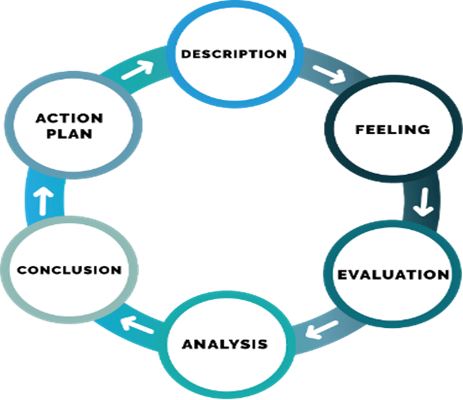
Figure 3: Gibbs’ Reflective Cycle (1988)
Source: Gibbs (1988)
First, I felt uncertain and lacked confidence in People Analytics, which was mostly due to the fact that my HRM experience had been conditioned by conventional people management principles and not the analytical ones. Data analysis was extremely technical and seemed to have little to do with the human and interpersonal component of Hr practice and as a student of HRM. My concern especially was how well I could comprehend analytics tools and analyze data. Nevertheless, the confidence in my practice increased as the module went on, with the help of exposure to practical examples, case studies, and collaborative learning opportunities.
Analyzing this experience, it is possible to note one of the strengths that was the formation of my vision of strategic HR decision-making. The module has managed to illustrate the way in which People Analytics can enhance the planning of the workforce, performance management, and the organisational effectiveness. The practical exposure in case studies and through group work promoted applied knowledge. Nonetheless, there were still issues with critically interpreting the data, balancing analytical evidence with human judgement, and addressing the ethical issues of privacy and employee monitoring.
Conceptually, this experience helped to solidify the values of evidence-based HR, in which decision-making is based on credible data, and not on intuition in isolation. Nevertheless, Rasmussen and Ulrich (2015) believe that business issues should be the starting point of analytics, and such a context is extremely important. This reflection has shown that data enhances HR decisions, but it cannot take the place of managerial judgement, ethical reasoning, or organisational culture awareness.
In general, I have come to perceive People Analytics as a tool of strategic decision-making, not a reporting tool. In the future, I will enhance my analytical capabilities and develop more ethical awareness in the digital HR practice by engaging in such tools as Power BI.
3.2 Case Study 1: Google and Strategic Workforce Planning Through People Analytics
Google, discussed in the group presentation on workforce planning, is a good practical example of the power of People Analytics in strategic HRM. Google uses People Analytics to facilitate workforce predictions, talent distributions, and strategic recruitment. Its strategies involve predictive workforce forecasting, internal talent mobility analysis, identifying skills gaps, workforce modelling and monitoring workforce metrics via dashboard. Instead of reactive practices in recruitment, Google employs the past performance and workforce data to predict future talent requirements and match the ability of workforce with business strategy. According to Marler and Boudreau (2017), this method is referred to as evidence-based HR decision-making, in which analytics allow organisations to relate people data to business outcomes.
Figure 4: Organisational Overview of Google as a Context for People Analytics Application
Source: Student Group Presentation on Google Workforce Planning (2026).
The contribution to the strategic workforce planning is one of the biggest strengths of the People Analytics approach, developed by Google. Google is able to anticipate their needs in future and have implemented proactive measures to eliminate the shortage of skills through forecasting instead of reacting to vacancies. This aids organisational agility especially in very innovating and fast changing industries. Predictive analytics also enhances efficient recruitment by minimizing unneeded delays in hiring and facilitating efficient allocation of workforce in projects. Internal mobility analysis enables the organisation to know what existing employee capabilities can perform and only then decide to recruit externally to enhance retention of talents as well as to save on the cost. In a theoretical sense, this is an expression of the Human Capital Theory which states that employees are valuable organisational assets that possess knowledge, skills and capabilities that can foster long-term competitive performance (Becker, 1964). In this regard, the workforce analytics investments by Google can be viewed as a strategic way of maximising the value of the employees. But this view also suggests that the employees can be seen as investment resources, but not as human beings with more comprehensive needs.
Although these strengths are present, there are some significant limitations that must be taken into consideration. One, there is the issue of employee privacy and data control in case of massive surveillance of the workforce especially when massive amounts of information about employee performance and behaviour are gathered. Second, predictive analytics systems can recreate past bias when the algorithms are trained on biased or non-representative workforce data. This poses the risk of discrimination in decision-making especially during recruitment or promotion. Third, overreliance on dashboards and predictive results can undermine the managerial judgement, and leaders can rely on quantitative indicators without a proper understanding of the context. According to Angrave et al. (2016), HR analytics can be reduced to a point of being too reductionist in their attempts to be overly concerned with measurement and overlook the complexity of human behaviour, motivation, and workplace relationships. Numerical indicators cannot always be the correct measure of employee engagement, creativity, and wellbeing.
In general, Google shows that People Analytics can greatly boost strategic workforce planning, organisational efficiency, and talent management. Nonetheless, although analytics can be a valuable strategic input, it must supplement, and not substitute ethical managerial judgment, human interpretation, and responsible HR decision-making.
3.3 Case Study 2: Microsoft and People Analytics in Remote Work Behaviour
One such example of the application of People Analytics to organisational behaviour is Microsoft especially throughout the COVID-19 pandemic, when organisations had to swiftly switch to remote working setups. The case discussed how Microsoft relied on internal communication and collaboration data to get a sense of the evolving work behaviour of employees working at a distance. Communication patterns such as meetings, emails, messaging activity, and team collaboration were tracked using analytics. The results demonstrated a decrease in the cross-team interaction, enhanced communication in smaller internal networks, and transition to more asynchronous forms of communication. These insights were insightful pieces of evidence about the changes in productivity, collaboration structures, and organisational behaviour in remote work.
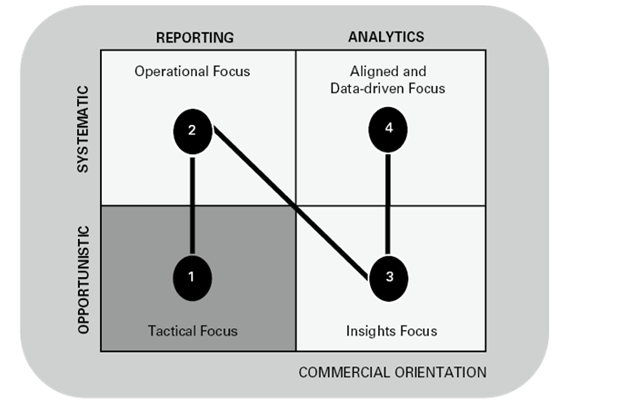
Figure 5: Microsoft Remote Work Collaboration Analytics Findings
Source: Khan and Millner (2023, p.2)
The capability of the People Analytics strategy to create behavioural insights, which would not have been detected without the help of traditional HR practices, was one of the greatest strengths of the strategy at Microsoft. Collaboration data allowed leaders to learn the structural changes in communication patterns and evaluate the impact of remote working on communication between employees. This evidence was used to inform more deliberate strategic interventions, such as re-engineering remote work practices to promote more effective inter-team collaboration. The case also contributed to organisational learning by showing how digital behavioural data can be used to inform leadership knowledge of workforce dynamics amidst disruption. Communication analysis gives the leadership a good insight to workforce planning, employee engagement, and organisational effectiveness, in terms of strategic HR. This is in line with the evidence-based management principles where decisions are made based on observable data in organisations as opposed to assumptions. Such real-time visibility is of great strategic value in fast-changing environments.
Nevertheless, there are a number of limitations that pose critical ethical and practical issues. To begin with, employee communication may be monitored, which generates possible surveillance issues as employees may feel that they are under constant observation. It may have adverse impact on trust, autonomy and psychological safety, especially when monitoring of the workforce is not adequately communicated, or is seen as invasive. Second, analytics can cause behavioural mis-interpretation. As an example, an increased amount of emails or online meetings does not always imply more productivity or productive cooperation. Quantitative deliverables can include measures of activity but are not a measure of work quality, creativity, or emotional wellbeing. Third, an important contextual factor is the organisational culture. According to Schein (2010), organisational norms, values and shared assumptions influence the behaviour of employees and they cannot be adequately quantified using mere communication metrics. This can be severely constrained by cultural variations, leadership styles, and informal working relationships that can profoundly affect behavioural results.
On the whole, Microsoft illustrates the strategic usefulness of People Analytics in comprehending workforce behaviour and facilitating organisational adjustment in times of disruption. Nonetheless, although analytics gives an insight into the workforce activity, it is necessary to be interpreted by humans. To promote effective and responsible data-driven decisions, ethical leadership, contextual understanding, as well as cultural awareness are required.
Theory Integration
Human Capital Theory and the Resource-Based View can be used with the help of which the two case studies can be critically understood. Human Capital Theory maintains that workers are important organisational resources whose knowledge, skills and capabilities create economic value and competitive performance (Becker, 1964). This is observable in Google, where workforce forecasting, internal talent mobility, and skill gap analysis have been used to show investment in workforce capability to enhance long-term strategic performance. But an important issue that raises concern is that this view of employees can turn them into commodities because their worth has been diminished to quantifiable business results.
In the same light, the Resource-Based View proposes that human capabilities that are rare, valuable and difficult to imitate generate sustainable competitive advantage (Barney, 1991). The skills forecasting and the collaboration insights of Google and Microsoft confirm this point of view. However, technological advancement cannot solely generate the competitive advantage, and the importance of a good leadership, organisational culture, or ethical HR practice becomes no less significant.
4. LEARNING OUTCOMES
Knowledge Development
One of the main lessons I learned during this module is that I have gained an awareness of what People Analytics can be as a strategic HR capacity, but not as an administrative reporting task. My initial understanding of HRM was very much based on conventional people management, which includes recruitment, employee relations and monitoring of performance. Nevertheless, the module broadened my perspective on the maturity of analytics in HR, such as descriptive, diagnostic, predictive, and prescriptive methods that can be used to gain evidence-based decision-making regarding the workforce (Marler and Boudreau, 2017; Armstrong and Taylor, 2023) . My perception of strategic HRM also improved, as I realised that workforce data can be used to plan talent, retain talent, enhance performance, and improve organisational performance. Also, the exposure to organisational culture in the framework of the cultural model provided by Schein and the dimensions provided by Hofstede enhanced my comprehension of how behaviour and contextual factors influence workforce results not only by the numeric data, but also by additional factors (Schein, 2010; Hofstede et al., 2010) ). My introduction to predictive analytics also contributed to my heightened level of awareness with regard to the growing use of forward-looking analytical instruments in contemporary HR, as opposed to the tradition of using the predominantly retrospective reporting.
Skills Development
Another area in which the module has helped me to improve my professional skills is in the area of the module. Data interpretation (especially knowing how workforce metrics, predictive indicators, and behavioural data can be used to inform HR decisions) was one of the skills that were acquired. Using People Analytics tools enhanced my knowledge of dashboards, survey platforms, and HR data visualisation, and allowed me to understand how data can be turned into actionable strategic insight. Structured reflective writing and using Gibbs Reflective Cycle also demonstrated a significant improvement in my capability of critical reflection and helped me go beyond description and analyse learning experiences critically (Gibbs, 1988) . Through the group presentation, teamwork, communication and problem solving skills were also further reinforced especially in terms of shared research, coordination of tasks and joint preparation of academic presentations. Moreover, the research requirements of the module enhanced my academic literacy, as it reinforced my capability to work with theory, case studies and evidence based analysis.
Professional Development
This module has played a significant role in my professional development as an HRM student because it has enhanced competencies related to the CIPD People Profession, especially the ethical practice, evidence-based decision-making, and digital literacy. The CIPD also makes HR professionals more and more strategic partners combining people knowledge with analytical skills and moral reasoning (CIPD, 2024). This module strengthened the need to balance business performance goals with employee welfare, equity, and equitable use of workforce information. Privacy, surveillance, biases of algorithms, and trust of employees raised ethical issues that demonstrated that People Analytics should be used in a responsible manner. Moreover, the focus on evidence-based HR has changed my thinking pattern that was based on intuition-inspired decision-making to a data-driven professional judgment. Building a sensitivity to analytics tools, also improved my digital confidence, which is becoming a significant part of contemporary HR practice. Altogether, this module has enhanced my preparedness to work in HR in the future by integrating strategic HR thinking with analytic awareness, reflective ability, and ethical professionalism.
5. SMART PROFESSIONAL DEVELOPMENT PLAN
My SMART action plan, which is based on my learning during this module, will enhance my future professional ability in HRM and People Analytics. This plan indicates the value of lifelong learning, evidence-based HR practice, and digital competence, which are gaining more and more priority in the CIPD People Profession framework (CIPD, 2024).
| Goal | Specific Action | Measurable Outcome | Timeline | Relevance |
| Develop Power BI skills for HR analytics | Complete an online Power BI training course and practise creating HR dashboards using sample workforce datasets. | Successfully complete one certified Power BI course and create at least two HR analytics dashboards. | Within 3 months | This will improve my ability to visualise workforce data and support evidence-based HR decision-making, which is increasingly important in modern organisations . |
| Strengthen HR analytics interpretation skills | Regularly engage with HR analytics case studies, academic literature, and workforce data examples to improve interpretation and critical analysis. | Review at least one HR analytics case study per month and summarise key strategic insights. | Within 6 months | This will improve my confidence in translating workforce data into practical HR recommendations rather than relying solely on intuition (Rasmussen and Ulrich, 2015). |
| Improve ethical understanding of AI and People Analytics | Study ethical HR guidance, data privacy principles, and responsible AI practices through CIPD resources and professional reading. | Complete at least one professional ethics learning activity and maintain reflective notes on ethical issues. | Ongoing | This supports responsible HR decision-making by strengthening awareness of privacy, fairness, algorithmic bias, and employee trust concerns. |
| Develop CIPD-aligned People Analytics competence | Engage with CIPD professional resources, webinars, and HR analytics guidance to strengthen strategic HR knowledge. | Participate in at least two CIPD learning activities and document key learning outcomes. | Within 12 months | This aligns with professional HR development expectations and supports long-term career readiness within the HR profession (CIPD, 2024). |
This action plan is realistic and structured in his/her professional development. Specific, measurable, achievable, relevant and time-bound goals are used to make development practical and accountable. As an upcoming HR professional, enhancing digital capabilities, analytical confidence, and ethical consciousness will be necessary to adjust to the current role of HR as a strategic business operation. This plan thus offers a definite trajectory towards converting academic knowledge into future career competence.
6. CONCLUSION
The reflective report has shown that my concept of People Analytics and its strategic use in contemporary human resource management has had a major shift. My perception of HR at the start of the module was mainly based on the traditional functions of HR like recruitment, employee relations and performance management. Nonetheless, by studying the material of the modules, case studies, practical aids, and reflexive learning, I gained a more generalized view of People Analytics as a strategic capability that can be used to make evidence-based decisions about workforce (Marler and Boudreau, 2017; Rasmussen and Ulrich, 2015).
The report showed that there are a number of strengths of People Analytics, especially its capacity to enhance the workforce planning, predictive decision making, organisational efficiency and strategic talent management. The case studies like Google and Microsoft provided evidence of how organisations can use workforce data to create patterns, predict talent requirements, and enhance organisational performance. Nevertheless, some significant ethical issues such as privacy risks, bias, and surveillance concerns, and the overreliance on quantitative data and underrepresentation of human judgement or cultural insight were also outlined as significant in the reflection.
Generally speaking, the concept of People Analytics will be very relevant to the future of HR as organisations progress towards digital and evidence-based people management. This module has reinforced my sensitivity as an aspiring HR professional that the HR practice needs a balance between analytical ability and ethical accountability, strategic thinking, and human leadership.
REFERENCES
Angrave, D., Charlwood, A., Kirkpatrick, I., Lawrence, M. and Stuart, M. (2016) ‘HR and analytics: why HR is set to fail the big data challenge’, Human Resource Management Journal, 26(1), pp. 1–11. Available at: Wiley Online Library
Armstrong, M. and Taylor, S. (2023) Armstrong’s handbook of human resource management practice. 16th edn. London: Kogan Page. Available at: Kogan Page
Barney, J. (1991) ‘Firm resources and sustained competitive advantage’, Journal of Management, 17(1), pp. 99–120. Available at: SAGE Journals
Becker, G.S. (1964) Human capital: a theoretical and empirical analysis, with special reference to education. Chicago: University of Chicago Press. Available at: University of Chicago Press
CIPD (2024) People analytics factsheet. London: Chartered Institute of Personnel and Development. Available at: CIPD
CIPD (2024) The profession map. London: Chartered Institute of Personnel and Development. Available at: CIPD Profession Map
Ferrar, J. and Green, D. (2021) Excellence in people analytics: how to use workforce data to create business value. 2nd edn. London: Kogan Page. Available at: Kogan Page
Gibbs, G. (1988) Learning by doing: a guide to teaching and learning methods. Oxford: Oxford Polytechnic. Available at: Oxford Centre for Staff and Learning Development PDF
Hofstede, G., Hofstede, G.J. and Minkov, M. (2010) Cultures and organizations: software of the mind. 3rd edn. New York: McGraw-Hill. Available at: McGraw Hill
Luthans, F. (2011) Organizational behavior. 12th edn. New York: McGraw-Hill. Available at: McGraw Hill
Marler, J.H. and Boudreau, J.W. (2017) ‘An evidence-based review of HR analytics’, The International Journal of Human Resource Management, 28(1), pp. 3–26. Available at: Taylor & Francis
Rasmussen, T. and Ulrich, D. (2015) ‘Learning from practice: how HR analytics avoids being a management fad’, Organizational Dynamics, 44(3), pp. 236–242. Available at: ScienceDirect
Schein, E.H. (2010) Organizational culture and leadership. 4th edn. San Francisco: Jossey-Bass. Available at: Wiley
Tuckman, B.W. (1965) ‘Developmental sequence in small groups’, Psychological Bulletin, 63(6), pp. 384–399. Available at: APA PsycNet
Van den Heuvel, S. and Bondarouk, T. (2017) ‘The rise (and fall?) of HR analytics’, Journal of Organizational Effectiveness: People and Performance, 4(2), pp. 157–178. Available at: Emerald Insight
Levenson, A. (2018) Using workforce analytics to improve strategy execution. California: Stanford University Press. Available at: Stanford University Press
Davenport, T.H., Harris, J.G. and Shapiro, J. (2010) ‘Competing on talent analytics’, Harvard Business Review, 88(10), pp. 52–58. Available at: Harvard Business Review
Bersin, J. (2018) Big reset: changing the way we think about work, jobs, and education. Available at: Josh Bersin Academy
Gallup (2019) State of the global workplace report. Available at: Gallup
Microsoft (2022) Work trend index annual report. Available at: Microsoft Work Trend Index
APPENDICES
Appendix A — Group Presentation Evidence
Figure A1: Google Group Presentation Title Slide
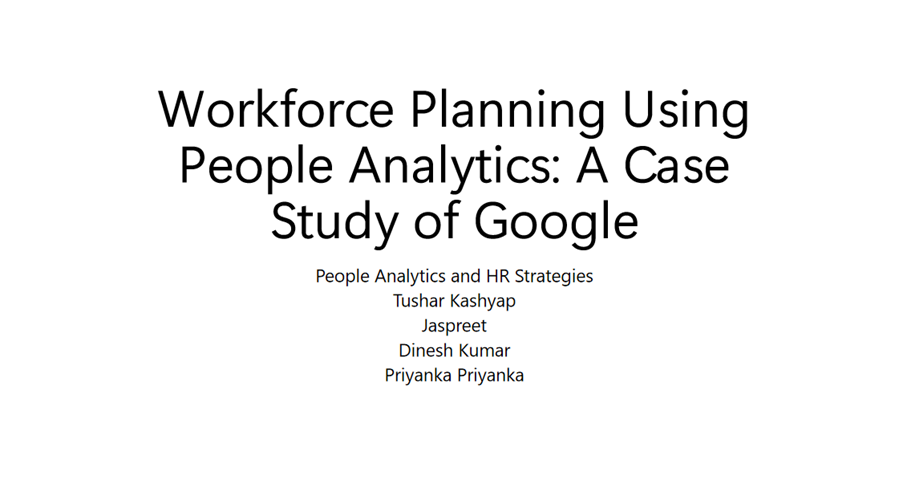
Figure A2: Google Workforce Planning Presentation Evidence
Appendix B — Smart Action Plan
| Development Goal | Specific Action | Success Measure | Timeline |
| Develop Power BI skills for HR analytics | Complete an online Power BI training course and practise creating HR dashboards using workforce datasets | Completion of one certified course and creation of two HR dashboards | 3 months |
| Strengthen HR analytics interpretation skills | Review HR analytics case studies and academic sources regularly | Review at least one case study per month and summarise learning | 6 months |
| Improve ethical understanding of AI and People Analytics | Engage with CIPD ethical HR guidance and professional reading | Completion of one ethics learning activity and reflective notes | Ongoing |
| Develop CIPD-aligned People Analytics competence | Participate in CIPD webinars and professional development activities | Completion of at least two CIPD learning activities | 12 months |